

There is a simple problem with the phrase Indian cuisine.
India is enormous.
Travel a few hundred miles and the grain on the plate can change. The cooking fat changes. Coconut becomes prominent, then almost disappears. Wheat gives way to rice. Mustard oil replaces ghee. Lentils appear in different forms. One region builds meals around seafood while another is famous for vegetarian cooking.
Even the idea that Indian food is universally hot with chilli falls apart almost immediately.
So a useful guide to Indian cuisine should not begin with a list of the “ten best curries”.
It should begin with a map.
North Indian food is the style many London diners recognise most readily from restaurant menus.
Punjab, Delhi, Uttar Pradesh, Rajasthan and Kashmir have all contributed dishes and techniques that travelled widely. Tandoor cooking, wheat breads, paneer dishes, kebabs, lentils and meat curries are particularly familiar.
Move south and the food changes.
Rice becomes even more important. Coconut, curry leaves, tamarind and mustard seeds appear frequently. Dosa, idli, sambar and rasam provide textures and flavours quite different from naan-and-curry restaurant dining.
Western India contains another remarkable range. Gujarat has a deep vegetarian tradition. Maharashtra moves between coastal seafood, street food and substantial regional cooking. Goa reflects both its coastal setting and centuries of Portuguese influence.
Eastern India brings its own character. Bengal is strongly associated with fish, mustard and rice, while sweets made from fresh cheese have become famous far beyond the region.
Then there are the cuisines of India’s north-east, which are still poorly represented by the generic idea of “Indian restaurant food” in Britain and have their own ingredients, preservation methods and culinary identities.
Calling all of this one cuisine is convenient.
Understanding that it contains many cuisines is much more useful.
For many British diners, the language of Indian restaurants is built around dishes associated with northern India and the wider northern subcontinent.
Tandoori chicken. Naan. Paneer tikka. Daal makhani. Korma. Biryani.
There are historical reasons for that familiarity, including migration patterns and the development of Britain’s restaurant industry. British “Indian restaurant” culture has also drawn heavily from cooks and restaurateurs whose family origins lie elsewhere in South Asia.
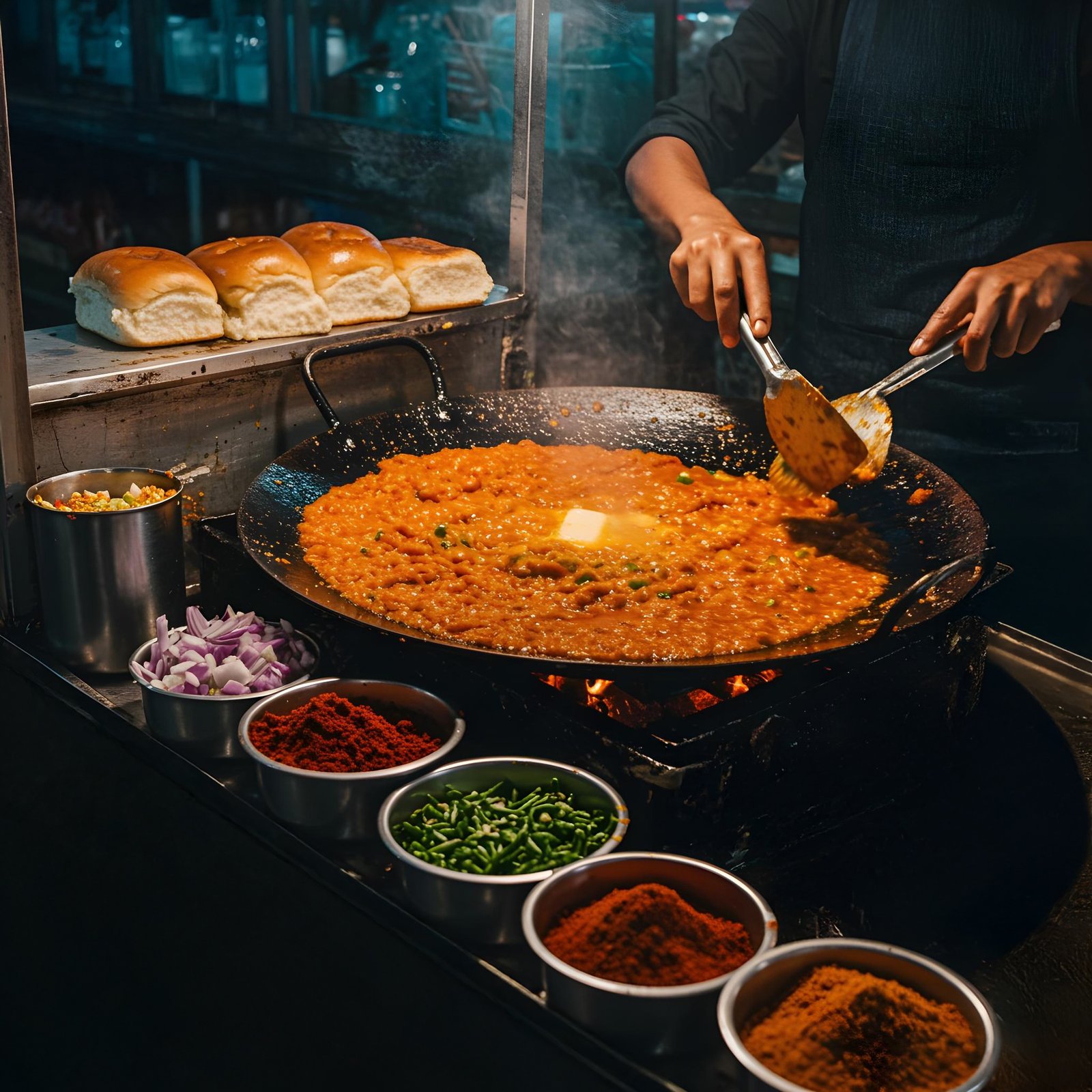
As a result, a restaurant menu labelled Indian in London does not always function as a precise map of India.
Dishes travel.
Names change.
Recipes adapt to local customers.
None of that makes the food automatically inauthentic, but it does mean that diners get more from the experience when they understand where the original traditions differ.
Few pieces of cooking equipment have become as closely associated with Indian restaurant food as the tandoor.
The cylindrical clay oven reaches intense temperatures.
Bread can be pressed against its hot interior wall, cooking quickly and developing blistered patches. Marinated meat can be lowered into the oven on long skewers, where heat cooks it rapidly while the exterior browns.
This gives tandoori cooking its recognisable character.
Chicken tikka is a good example. The chicken is cut into manageable pieces and marinated before cooking over fierce heat. The attraction comes from the contrast between juicy meat and roasted edges.
Paneer can be treated similarly. Its firm texture allows cubes to take on marinade and colour without falling apart immediately.
The important thing is that tandoori refers to a cooking method, not a single flavour.
There is no universal red sauce that makes something tandoori.
One of the easiest mistakes to make when approaching Indian cuisine is treating vegetarian food as a substitute for the “real” meat dishes.
In many Indian food traditions, vegetarian cooking is central rather than secondary.
Lentils, chickpeas, beans, paneer, yoghurt, aubergine, okra, potatoes, cauliflower, gourds, leafy greens and countless other ingredients create an enormous repertoire.
Consider something as simple as potato.
It might appear with cauliflower in aloo gobi, with spinach in aloo palak, inside a dosa, fried as part of a chaat or seasoned differently according to regional habits.
Paneer changes character just as easily.
Grill it for paneer tikka and you have firm, browned edges. Cook it in a tomato-based sauce and the cheese absorbs surrounding flavour. Pair it with spinach and the dish becomes softer and earthier.
Indian vegetarian food works because vegetables, pulses and dairy have been developed as primary ingredients over generations.
They do not need to pretend to be meat.
“Daal” sounds like one dish until you begin eating it regularly.
It can refer to both pulses themselves and dishes made from them.
Different lentils and beans vary in colour, cooking time, texture and flavour. Some break down until creamy. Others hold their shape. Some are cooked simply and finished with a fragrant tempering. Others become rich enough to sit at the centre of a restaurant meal.
Daal makhani, associated with Punjabi cooking, uses black urad and traditionally benefits from long cooking, producing a rich texture.
A lighter yellow daal can feel completely different, particularly when finished with cumin, garlic or chilli heated in oil.
South Indian lentil cooking heads in other directions altogether. Sambar brings lentils together with vegetables, spices and sourness, commonly from tamarind.
The lesson is useful beyond daal.
Two dishes can share an ingredient without belonging to the same flavour family.
Anyone whose understanding of Indian cuisine consists mainly of naan, tikka and creamy curry should spend some time with South Indian food.
Dosa is a good beginning.
The thin, crisp pancake is traditionally made from a fermented batter based on rice and lentils. Its texture can move from brittle at the edge to softer towards the centre, particularly when wrapped around spiced potato.
Idli uses fermented rice-and-lentil batter differently, steaming it into soft, light cakes.
Both are commonly eaten with sambar and chutneys.
Then there is rasam, thinner and sharper, often carrying tamarind, tomato, pepper and spices.
Across southern India, regional cooking varies enormously, but rice, coconut, tamarind, curry leaves and lentils are recurring ingredients in many areas.
The result can be hot, sour, fresh and aromatic in ways that bear little resemblance to the heavier sauces many London diners first associate with Indian food.
Gujarati food deserves particular attention because it challenges another restaurant stereotype.
Flavour does not always move in a straight line from savoury to spicy.
Gujarati dishes can balance sweetness, acidity, chilli and spice within the same meal. Lentils and vegetables are central, and snacks or farsan occupy an important place in the cuisine.
Dhokla is soft and steamed rather than fried.
Khandvi has a completely different delicate texture.
Undhiyu brings vegetables together in a substantial seasonal preparation.
Gujarati cooking also has strong traditions connected with religious dietary practice, including forms of vegetarianism that exclude particular ingredients.
For event menus in London, Gujarati food can therefore provide far more than a couple of vegetarian side dishes. It can form the logic of the entire meal.
The idea of Indian food as predominantly meat curry and bread makes even less sense once you reach the coastline.
Goan cooking uses seafood extensively, alongside coconut and ingredients reflecting Portuguese influence. Vinegar appears in ways that are less typical of many northern dishes.
Along the Kerala coast, coconut is deeply important in many preparations, while seafood, rice and spices all play major roles.
Bengal, on the eastern side of the country, has another powerful fish tradition. Mustard can provide both pungency and aroma, while rice remains fundamental to the meal.
These regional differences are partly cultural and partly geographical.
People cook what grows, swims and survives well around them.
That is one reason Indian cuisine contains so much variation without losing its sense of place.
Indian street food can deliver more textures in a few bites than some full meals.
Chaat is a good example.
Crisp elements meet yoghurt. Tamarind chutney brings sweetness and acidity. Green chutney introduces herbs and chilli. Potato or chickpeas add substance. Sev contributes crunch.
The pleasure lies in the fact that those ingredients are not blended into one smooth flavour.
They remain distinguishable.
Samosa chaat takes something already satisfying — the fried samosa — and deliberately breaks its structure apart under sauces, chickpeas and garnishes.
Aloo tikki can move from crisp exterior to soft potato centre.
Pani puri takes contrast even further, enclosing spiced fillings and intensely flavoured liquid inside a fragile shell designed to be eaten in one mouthful.
This is Indian food at its most playful.
It also explains why copying a chaat poorly is so obvious. Remove the crispness or the balance of sweet, sour and chilli and much of the point disappears.
In Britain, curry is often used as a convenient category for almost any South Asian dish containing sauce.
That is useful for conversation but not especially precise.
Indian languages contain many more specific names for dishes, ingredients and methods. A korma, jalfrezi, saag-based dish and dal are not simply interchangeable versions of curry.
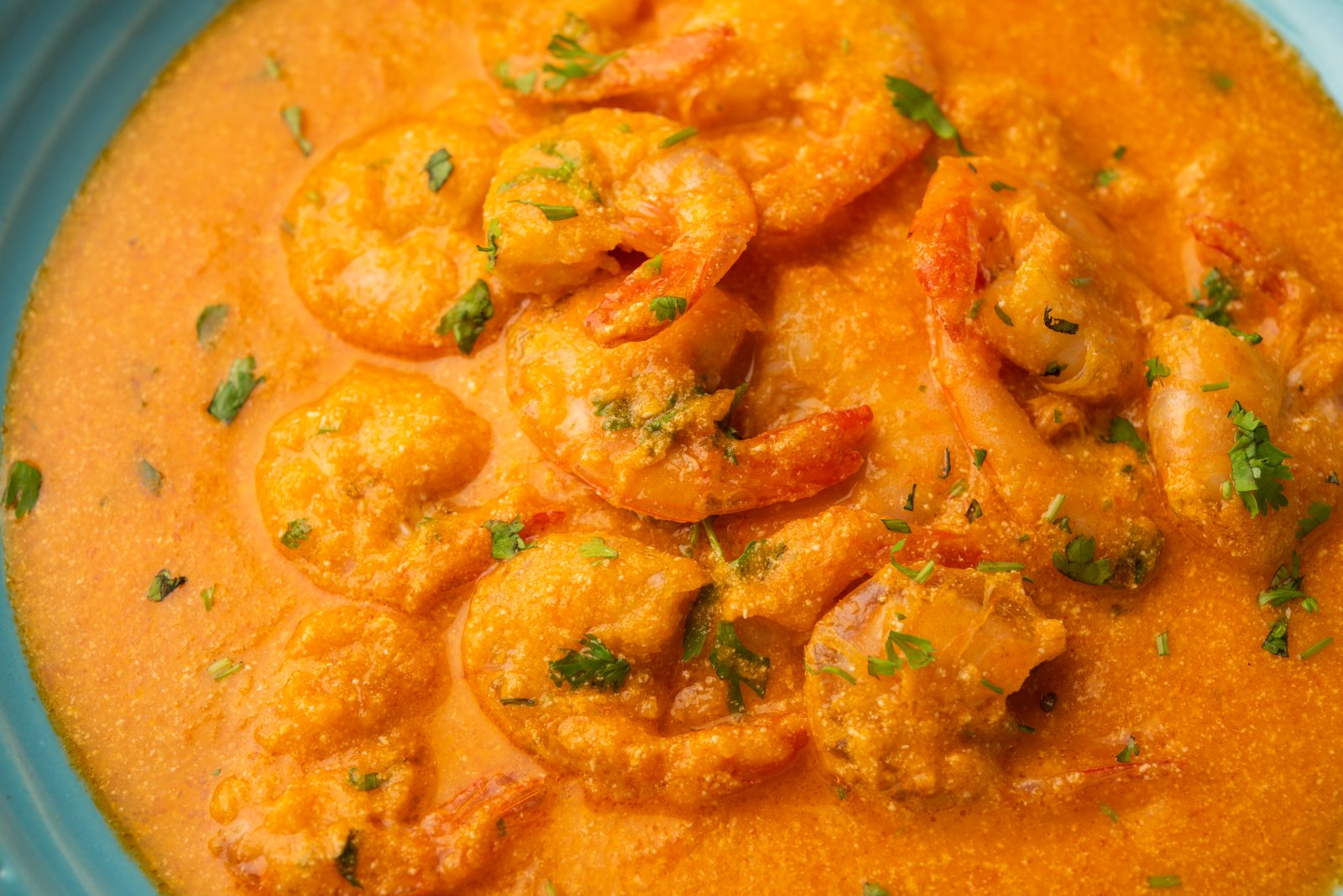
Even dishes sharing a familiar restaurant name can change considerably by region or kitchen.
This is worth remembering when ordering.
Instead of asking only “How hot is it?”, look at what the sauce is built around.
Does it contain tomato? Yoghurt? Coconut? Ground nuts? Greens? Lentils?
Is the dish slowly cooked or quickly tossed?
Is it dry enough to cling closely to the main ingredient, or is it designed to leave enough sauce for rice?
Those questions tell you far more about dinner than a one-to-five chilli scale.
One of the easiest ways to notice regional change in Indian food is to look at the staple carbohydrate.
Wheat breads dominate many northern meals.
Naan is perhaps the most internationally recognised, but roti, chapati, paratha, kulcha and puri all have different textures and uses.
Rice becomes increasingly central in many southern, eastern and coastal food traditions.
Neither division is absolute. North India eats rice and South India eats breads.
But the balance changes.
Rice can also be transformed far beyond a plain side dish. Biryani exists in many regional styles. Lemon rice, curd rice and tamarind rice take the grain in completely different directions.
Likewise, bread might be soft enough to scoop gravy, layered and crisp from a griddle, or fried until it puffs.
The accompaniment is part of the cuisine, not an afterthought.
The temptation with a long Indian menu is to order everything from the same flavour family.
Chicken tikka followed by another heavily grilled starter, two creamy curries and naan may all taste good, but you learn relatively little about the range of the cuisine.
Contrast works better.
Pair something cooked over high heat with something slow and saucy.
Add a vegetarian dish that has its own identity rather than treating it as garnish.
Choose one substantial bread or rice dish, then use chutneys, raita or salads to introduce freshness.
If regional dishes are identified on the menu, follow those clues.
A Punjabi meal, Gujarati meal and South Indian meal should not feel interchangeable.
That is the enjoyable part.
London diners can now encounter Indian food at almost every level, from quick street snacks and dosa cafés to regional vegetarian restaurants, neighbourhood curry houses, fine dining and large-scale wedding catering.
Areas with long-established South Asian communities, including Southall, Tooting and parts of North and East London, make it particularly easy to explore.
But London has also become better at recognising regional identity.
“Indian food” is gradually becoming the beginning of the description rather than the end of it.
A diner may now specifically look for Gujarati food, Kerala cooking, Punjabi dishes or South Indian breakfast rather than simply searching for the nearest Indian restaurant.
That is a positive change because regional knowledge does not make food less accessible.
It gives you more reasons to eat it.
The diversity of Indian cuisine becomes especially useful when designing an event menu.
A wedding does not have to follow the same menu structure as a corporate reception.
A Gujarati family celebration may place vegetarian food at the centre. A drinks reception might be better suited to chaat, paneer tikka and small bites. A large dinner can move from grilled starters to curries, rice, breads and desserts.
Spice Village’s catering work reflects that wider view of Indian cooking, alongside its Pakistani heritage and other South Asian cuisines.
The key is not to put every famous dish on one menu.
It is to choose dishes that make sense together.
Guests notice balance even when they cannot explain why.
If everything is rich, the meal becomes tiring. If every dish carries heavy chilli, flavours become harder to distinguish. If textures never change, the third course feels too much like the first.
A thoughtful menu creates contrast.
You could spend years exploring Indian food and still find dishes that completely rearrange your understanding of it.
That is exactly as it should be.
India’s food has been shaped by geography, religion, trade, migration, climate, agriculture, empire, local communities and family tradition. It was never likely to fit comfortably into one restaurant menu.
So begin anywhere.
Start with dosa if you have always ordered naan. Try a Gujarati dish where vegetables carry the meal. Order fish from a coastal tradition. Compare a lightly tempered daal with a slow-cooked daal makhani.
Then keep going.
In a city like London, one of the world’s most diverse food cultures is no longer something you have to understand from a distance.
You can explore it one region at a time
