

Nihari in London
Tender meat, slow-cooked overnight with traditional spices until the meat is soft and the gravy is deep, warming and full of flavour. Enjoy Lahori Nihari at Spice Village in Tooting and Southall.
Looking for Authentic Nihari in London?
Nihari is a dish that rewards patience.
At Spice Village, our Lahori Nihari is made with lamb shank slowly cooked overnight in traditional spices. Long, gentle cooking gives the meat time to become tender while building a rich gravy around it.
It is a proper sit-down dish: hot nihari, tender lamb and fresh naan ready to tear, dip and scoop through the gravy.
If you are searching for nihari near you in London, visit Spice Village in Tooting or Southall for a halal Pakistani meal built around one of the great slow-cooked dishes of the region.
What Makes a Good Nihari?
The first sign is the meat.
Nihari is traditionally cooked slowly enough for a tougher, flavourful cut to soften without losing all of its structure. With lamb shank nihari, that means meat that gives easily under a spoon or fork rather than needing to be cut into neat pieces.
Then there is the gravy.
It should be substantial enough to cling to naan, with a savoury depth that comes from meat, spices and time rather than simply chilli. Nihari can carry plenty of warmth, but heat alone is not what makes it memorable.
A good bowl brings together:
- Slow-cooked meat that has become tender over time
- A rich, savoury gravy with body
- Traditional spices worked through the dish
- Warming rather than one-dimensional heat
- Fresh bread to catch every bit of the sauce
- Garnishes that can add freshness and contrast
That balance is why nihari has remained such a well-loved dish across generations.
The Overnight Cooking Is Part of the Dish
There is no useful shortcut to the character of slow-cooked nihari.
The meat needs time.
As lamb shank cooks gently, connective tissue gradually softens and the surrounding gravy takes on more of the meat’s flavour. The spices also change. Instead of tasting raw or separate, they settle into the sauce and become part of one deeper flavour.
Spice Village’s Lahori Nihari is slowly cooked overnight, which suits the dish particularly well.
That long cook is what separates nihari from a faster lamb curry. Both may use meat and spices, but the eating experience is different. Nihari has the soft meat, concentrated gravy and slow-developed richness that only comes when a dish has been given enough time.
Why Is Nihari Traditionally Associated With the Morning?
The history is hidden in the name.
Nihari is generally linked to the Arabic word nahar, associated with the day or morning. The dish became known as an early meal, traditionally cooked through the night and eaten in the morning. Its early history is commonly connected with the food cultures of Delhi and Lucknow during the late Mughal period.
That tradition still makes sense when you taste it.
Nihari is substantial food. Tender meat, thick gravy and bread make a filling combination, particularly on a cold morning.
Over time, of course, it moved well beyond breakfast. Today it is just as natural to order nihari for lunch or dinner, and the dish has become firmly established within Pakistani food culture.
At Spice Village, you do not need to be up at dawn to enjoy it.
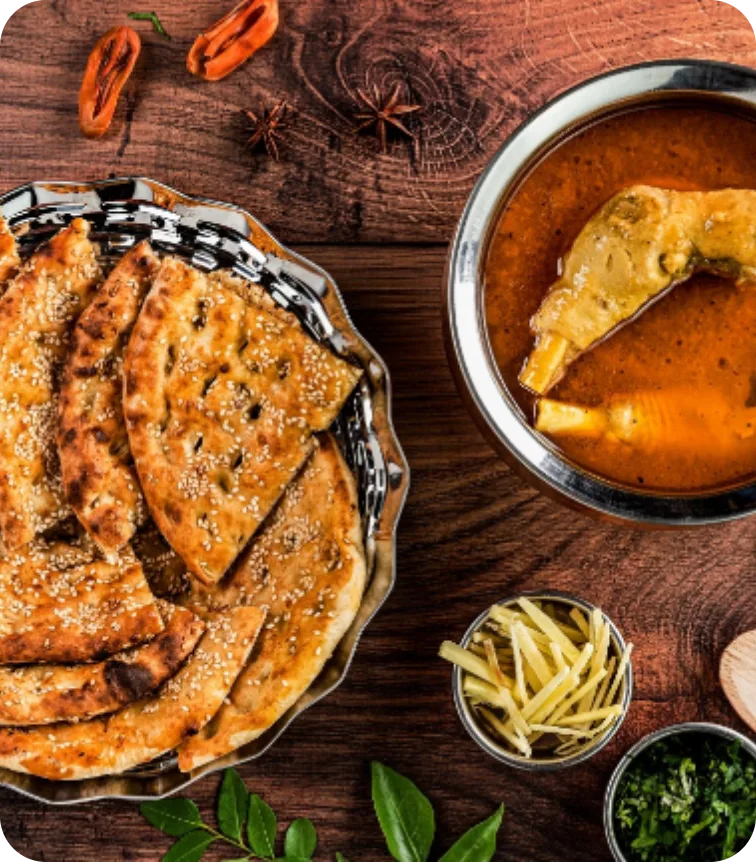
Lahori Nihari at Spice Village
Nihari has travelled, changed and developed different regional identities over the years.
Our version is Lahori Nihari.
Spice Village prepares it with lamb shank and traditional spices, slowly cooked overnight. It belongs alongside other Pakistani favourites on our menu such as Shahi Haleem, Lahori Paya, karahi and freshly baked breads.
The lamb shank is particularly important.
It is a cut made for slow cooking. Given enough time, it develops the tenderness nihari needs while contributing richness to the gravy.
The result is not a plate of lamb with sauce poured around it. Meat and gravy should feel as though they have spent hours becoming part of the same dish.
Beef Nihari, Lamb Nihari and Nalli Nihari: What's the Difference?
There is no single meat used in every nihari kitchen.
Lamb Nihari
This is the style you will find at Spice Village.
Our lamb shank nihari uses a cut that responds particularly well to overnight cooking, becoming tender while adding plenty of savoury flavour to the gravy.
Beef Nihari
Beef nihari is one of the best-known versions of the dish, particularly in Pakistan and northern parts of the Indian subcontinent. Beef shank is commonly used because slow cooking can transform the firm meat into something exceptionally tender.
Spice Village’s Lahori Nihari is made with lamb shank rather than beef.
Nalli Nihari
Nalli refers to marrow bone. In nalli nihari, bones containing marrow are cooked with the stew, adding extra richness to the gravy.
You may therefore come across beef nalli nihari, mutton nalli nihari and other versions depending on the restaurant and region.
Our menu describes our dish specifically as Lahori Nihari made with lamb shank, so we do not present it as nalli nihari unless stated on the current menu.
Chicken Nihari
Chicken versions also exist, although chicken naturally cooks much faster than traditional shank cuts and produces a different flavour and texture.
At Spice Village, the nihari to look for is our slow-cooked lamb version.
What Gives Nihari Its Distinctive Flavour?
Ask ten cooks about nihari masala and you are unlikely to get ten identical answers.
Spice combinations vary between families, regions and restaurants. Warming whole and ground spices are typically used to build aroma and depth around the meat, rather than making the dish taste of one dominant seasoning.
Slow cooking then changes those flavours.
A spice that might seem sharp at the start of cooking becomes softer and more integrated after hours in the pot. The gravy absorbs flavour from both meat and seasoning until the distinction between the two becomes less obvious.
That is why a packet labelled nihari masala can only ever be one part of the process.
The flavour of authentic nihari also depends on the cut of meat, cooking liquid, temperature, thickness of the gravy and, above all, enough time.
The Best Way to Eat Nihari
Start with naan.
Nihari’s thick gravy is made for bread. Tear off a warm piece, press it into the sauce and use it to pick up some of the tender lamb.
Simple garnishes can make each mouthful feel different too.
Fresh ginger brings a sharp, fragrant bite. Coriander adds freshness. Green chilli can increase the heat, while lemon cuts through some of the richness.
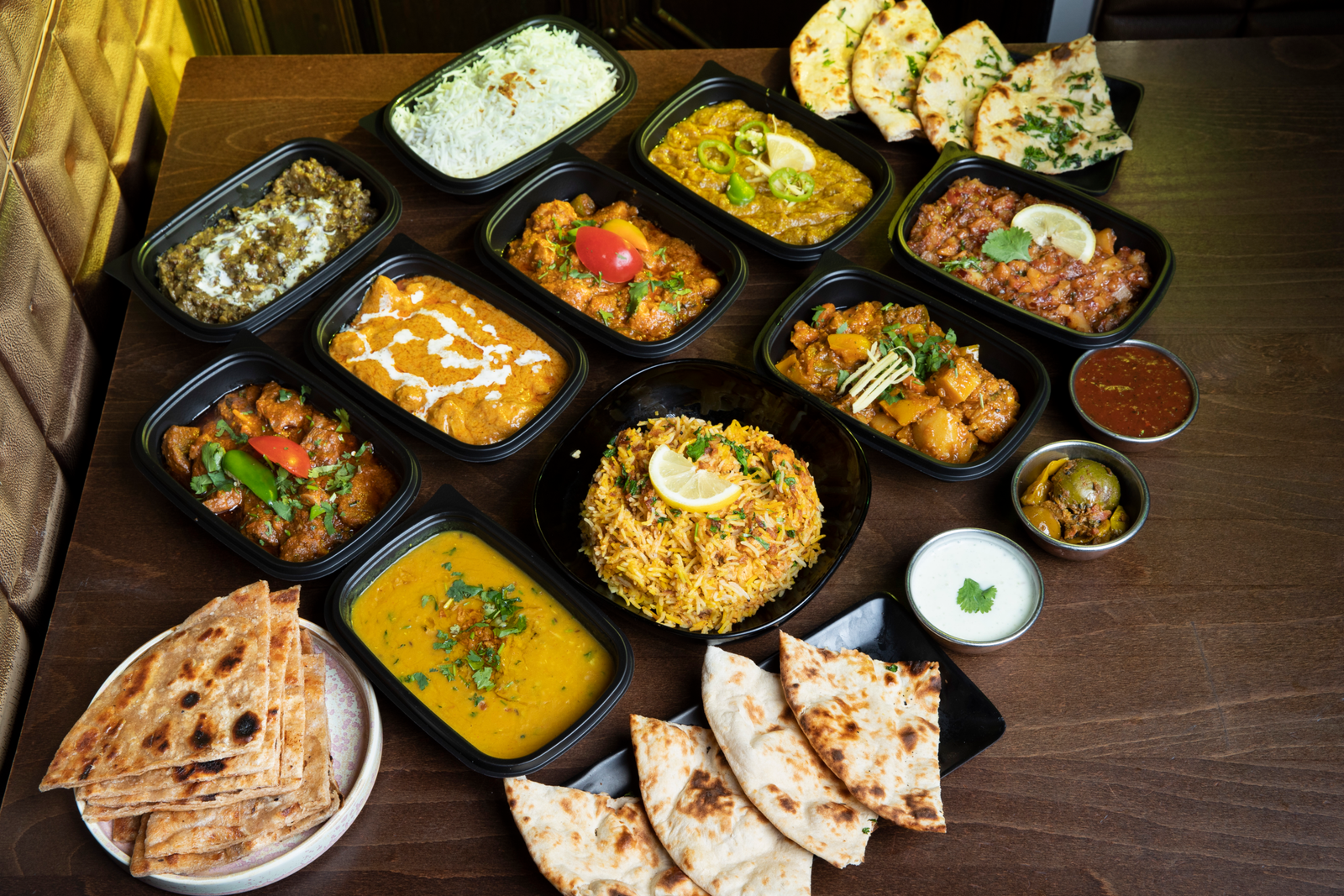
You can keep the meal simple with nihari and naan, or order it as part of a larger Pakistani spread with family or friends.
It sits particularly well alongside dishes with a different texture. Grilled meats bring smoke and char. Biryani adds fragrant rice. A fresh salad or lighter side can provide contrast.
Still, nihari does not need much help. A good gravy and fresh bread can keep the table occupied on their own.
Nihari, Haleem and Paya Are Not the Same Dish
They are often found close together on Pakistani menus, but each offers something different.
Nihari is centred on slow-cooked meat in a rich, spiced gravy. At Spice Village, that means lamb shank.
Haleem combines meat with lentils and develops a much thicker, almost blended consistency through prolonged cooking.
Paya is prepared using trotters, producing another distinctive style of slow-cooked gravy.
All three reflect the importance of time in traditional Pakistani cooking, but the textures are noticeably different.
Choose nihari when you want recognisable pieces of tender meat surrounded by a deep gravy that can be eaten generously with naan.
Looking for Halal Nihari Near You?
Spice Village serves halal Pakistani food from restaurants in Tooting and Southall, making it easy to enjoy Lahori Nihari as part of a family meal, dinner with friends or a larger spread.
Nihari in Tooting
Visit Spice Village at 121 Upper Tooting Road, London SW17 7TJ.
Our Tooting menu lists Lahori Nihari among the Village Specials, prepared with lamb shank slowly cooked overnight in traditional spices.
Our Tooting restaurant also serves a Special Lahori Breakfast on Sundays, so it is a fitting place to explore some of the dishes closely connected with Pakistan’s traditional breakfast culture.
Nihari in Southall
Spice Village Southall is at 185–189 The Broadway, Southall UB1 1LX.
Lahori Nihari is also listed among the restaurant’s Village Specials, alongside other slow-cooked Pakistani dishes.
The Southall restaurant also runs a Special Lahori Breakfast on Sundays.
A Dish Made for Pakistani Hospitality
Some dishes arrive sizzling. Nihari announces itself differently.
You notice the aroma first, then the colour and thickness of the gravy. Break into the lamb and it should give easily after its long cook. Tear the naan, bring everything together and the reason for all those hours on the stove becomes clear.
This kind of food sits naturally within Spice Village.
Our restaurants focus on Pakistani cooking designed to be enjoyed together, from grills and biryanis to karahis and slow-cooked specialities. Spice Village began in Tooting in 2004 before growing into the wider restaurant and hospitality group it is today.
Nihari remains grounded in a much older idea: take a flavourful cut of meat, cook it patiently and let time do the difficult work.
Nihari FAQs
Nihari is a slow-cooked South Asian meat stew known for tender meat and a rich, spiced gravy. Traditional versions are commonly made using shank cuts of beef, lamb, mutton or goat, although chicken versions also exist.
Spice Village serves Lahori Nihari made with lamb shank slowly cooked overnight in traditional spices.
Our Lahori Nihari is made with lamb shank, not beef.
Lamb shank nihari uses lamb from the lower leg, a cut particularly suited to long, slow cooking. As it cooks, the meat softens and contributes richness to the surrounding gravy.
Nalli nihari is prepared using marrow bones. The marrow adds extra richness to the dish. It is commonly associated with beef or mutton versions of nihari, although recipes vary.
The main difference is the meat. Beef has its own deeper flavour and texture, while lamb produces a distinctive richness. Both can work well with the long cooking traditionally used for nihari. Spice Village serves a lamb shank version.
Our restaurant menu lists Lahori Nihari made with lamb shank. We do not describe it as chicken nihari.
Nihari is richly spiced, but a good version is about more than chilli heat. Its flavour comes from meat, warming spices and slow cooking. Fresh chilli can also be added at the table if you prefer extra heat.
Fresh naan is an excellent accompaniment because it can soak up the thick gravy. Different traditions may also serve nihari with roti or other breads.
The name nihari is associated with the Arabic word nahar, relating to morning or daytime. The dish was historically cooked overnight and eaten in the morning, although it is now enjoyed throughout the day.
Yes. Spice Village restaurants serve halal food.
Spice Village serves Lahori Nihari at its restaurants in Tooting and Southall. You can dine in or check the current ordering options available from your nearest branch.
Takeaway and delivery options are available from Spice Village restaurants. Availability can vary, so check the current menu and ordering service for your nearest location.
Try Lahori Nihari at Spice Village
Nihari is what happens when good ingredients are given enough time.
Our lamb shank cooks slowly overnight in traditional spices until the meat becomes tender and the gravy takes on the rich character this dish is known for.
Add fresh naan and there is very little else you need.
Visit Spice Village Tooting or Southall for Lahori Nihari in London, or check your nearest restaurant for takeaway and delivery.
